中文
中文 English
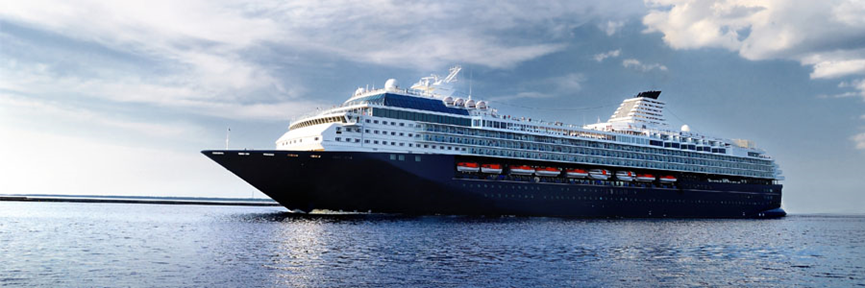
Solve the problem of seawater corrosion
Seawater has the potential to corrode ferrous and non-ferrous metals through a number of chemical and electrochemical processes. Oxygen, dissolved inorganic salts (especially chlorine anions), and different grades of metals are immersed in water, providing an ideal environment for corrosion.
LESEI Seals has been a leading manufacturer and supplier of mechanical seals to the Marine industry for more than 25 years. In that time, our Class 304 stainless steel seals have been successfully used in hundreds of different Marine applications, with proven reliability and resistance to seawater corrosion. Combined with our product range, design and construction quality, we have become the mechanical seal brand of choice for many major Marine industry companies.
304 Stainless Steel History
In the 1960s or so, 304 stainless steel did have a bad reputation in seawater applications because the main metal parts were supplied in a state of natural machine completion.
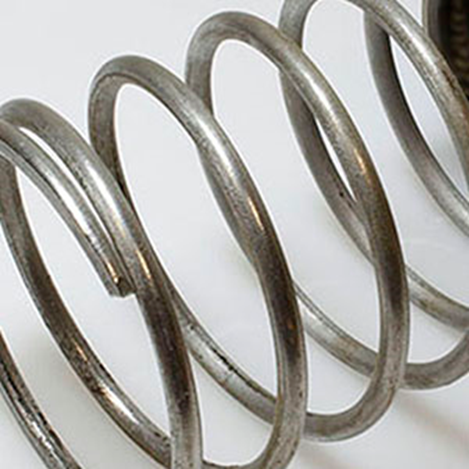
The image above shows a seal spring from the 1980s with a rough surface finish that increases the surface area for chloride anion corrosion in seawater. The resulting corrosion has given rise to a bad reputation.
To reduce corrosion problems, the supply of more expensive 316 stainless steel, brass, or Monel ® parts became the norm, and the end user Marine industry began to move away from 304 stainless steel。
Electrolytically polished metal parts
All metal parts used in Walken mechanical seals are routinely electrolytically polished, regardless of their end use.
This smooth polished surface finish is combined with higher quality modern 304 stainless steel to minimize seawater corrosion and eliminate the need to specify higher cost materials.
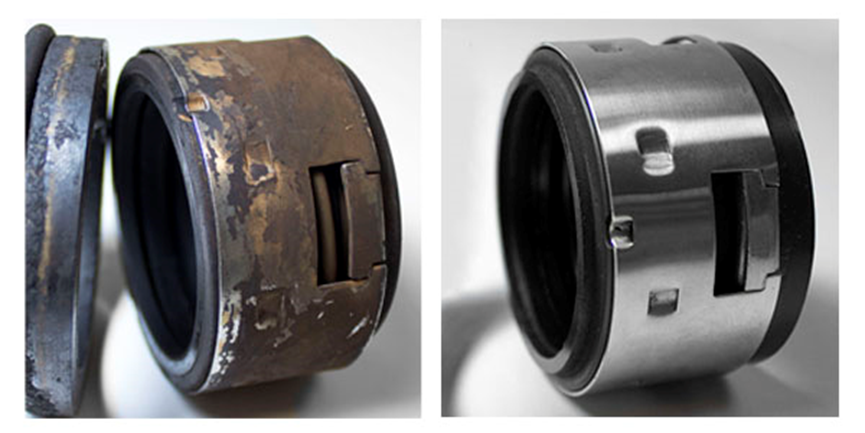
Although the LESEI Model 172S above (left) has not been cleaned, uncorroded electropolished 304 stainless steel can still be seen after a long and reliable repair in the bilge pump. New Seals of the same type on the right show the standard LESEI Seals electrolytic finish.
Corrosion can still occur in seawater equipment where several different metals are present. Anodic or electrochemical corrosion of pump components or mechanical seals can be severe regardless of the grade used.
In this case, the standard use of 304 or 316 stainless steel for all internal pump assemblies eliminates the chance of anodic corrosion because the metal grade is the same. Mixing grades 304 and 316 or similar usually has no problems.